 kff.org
loveLife
Also: loveLife South Africa
South Africa's national HIV prevention programme for young people, launched in September 1999, which sold sexual health as an aspirational youth lifestyle brand through provocative billboards, TV and radio, plus youth centres, adolescent-friendly clinics and peer 'groundBREAKERS'.
- Years
- 1999–now
- Country
- South Africa
- Topic
- HIV/STI
- Asks people to
- Seek helpStartTalk to someone
- Strategy
- Lifestyle brandMulti level community
- Channel
- Clinical settingEventsOutdoorPrintRadioTV
- Audience
- Young adultsYouthSouth Africans aged 12-17 and 18-24
Evidence
ObservationalUnknown
Pettifor et al. (2005), nationally representative survey of 11,904 people aged 15-24 (2003): those who reported taking part in at least one loveLife programme were less likely to be HIV-positive (men AOR 0.60, 95% CI 0.40-0.89; women AOR 0.61, 0.43-0.85). MacPhail et al. (2009): loveLife participation was associated with HIV testing. A 33-community quasi-experimental study (youth centres vs adolescent-friendly clinics vs neither) published its baseline only (Pettifor et al. 2005, TMIH; no differences at baseline). Self-selection into programmes limits causal claims (Pettifor et al. 2007 discuss why a national programme was hard to evaluate). Peltzer et al. (2012), 13,234 people aged 15-55: 58.4% had seen a loveLife TV ad and 55.3% a billboard in the past year.
Sponsor (who paid)
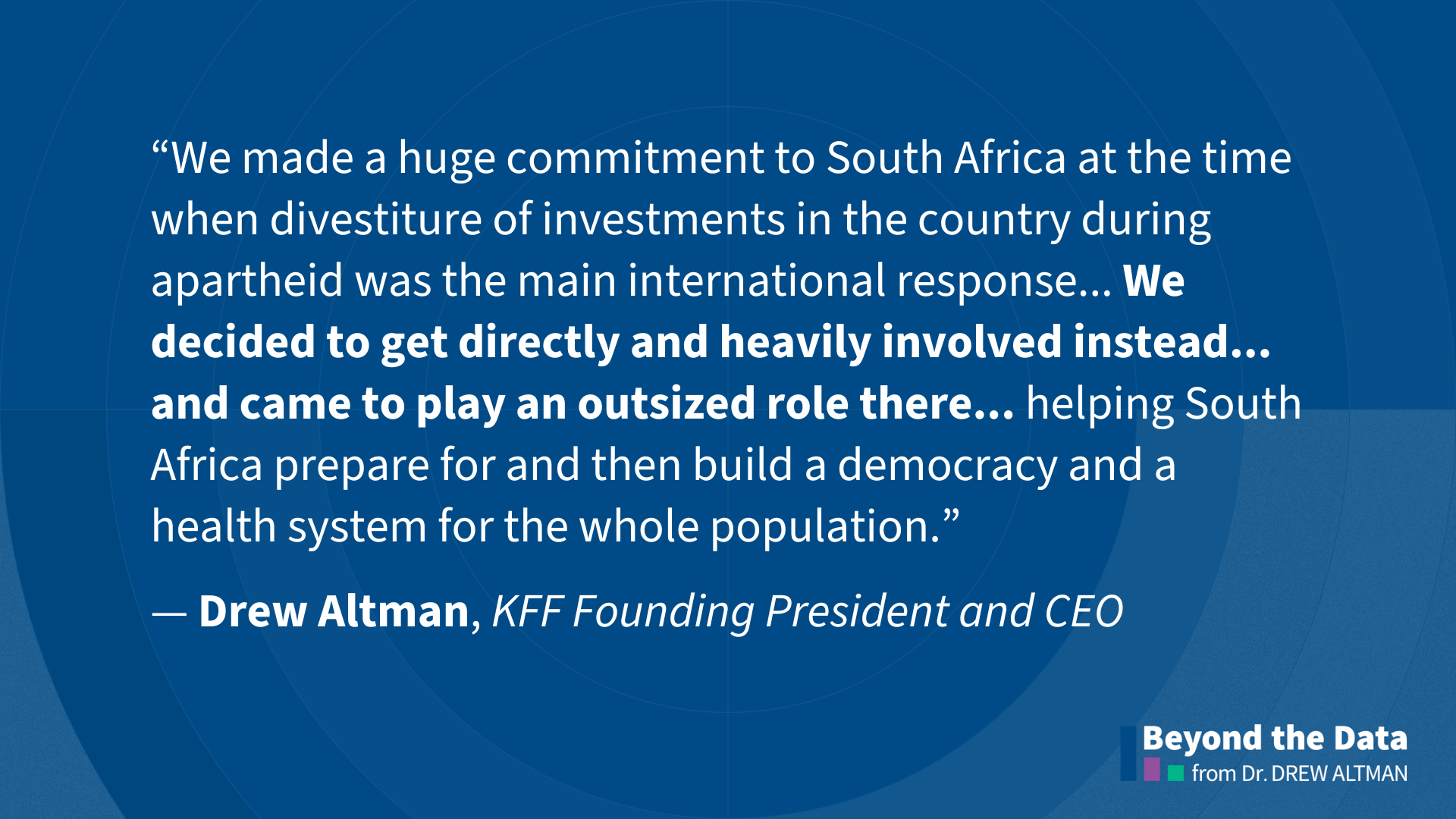
- Henry J. Kaiser Family Foundation Foundation, founding funder and driver
- South African government (Department of Health, Department of Social Development) Foreign government, funder and partner
- loveLife NGO, implementer
Credits (who made it)
Not recorded yet.
Related campaigns
- Khomanani 2001
- Brothers for Life 2009–now
Sources
- Pettifor AE et al. Young people's sexual health in South Africa: HIV prevalence and sexual behaviors from a nationally representative household survey. AIDS 2005;19(14):1525-34 evaluation · 2005 · DOI 10.1097/01.aids.0000183129.16830.06 · PMID 16135907
- Pettifor AE et al. A community-based study to examine the effect of a youth HIV prevention intervention on young people aged 15-24 in South Africa: results of the baseline survey. Trop Med Int Health 2005;10(10):971-80 evaluation · 2005 · DOI 10.1111/j.1365-3156.2005.01483.x · PMID 16185231
- Pettifor AE et al. Challenge of evaluating a national HIV prevention programme: the case of loveLife, South Africa. Sex Transm Infect 2007;83 Suppl 1:i70-4 evaluation · 2007 · DOI 10.1136/sti.2006.023689 · PMID 17327261
- MacPhail C et al. Factors associated with HIV testing among sexually active South African youth aged 15-24 years. AIDS Care 2009;21(4):456-67 evaluation · 2009 · DOI 10.1080/09540120802282586 · PMID 19401866
- Peltzer K et al. Impact of national HIV and AIDS communication campaigns in South Africa to reduce HIV risk behaviour. ScientificWorldJournal 2012:384608 evaluation · 2012 · DOI 10.1100/2012/384608 · PMID 23213285
- Untold KFF History Volume 1: South Africa (Drew Altman) history
- Fighting AIDS with pictures and words (Eye magazine, Summer 2004) history
- LoveLife South Africa (Wikipedia) reference
- Peltzer K et al. A community-based study to examine the effect of a youth HIV prevention programme in South Africa. Int J STD AIDS 2012 evaluation · 2012 · DOI 10.1258/ijsa.2012.011457 · PMID 23033521
Research notes
No agency credit found: the Eye magazine article, the KFF history and Wikipedia (all fetched 2026-10-22) name no advertising agency or designer for the billboards; the brief's TBWA\Hunt\Lascaris lead was not confirmed, so there are no credits. KFF says it put in about $100 million and messages were developed with young people; a 'Foreplay' teaser campaign preceded the 1999 launch. Billboards largely stopped in loveLife's second decade for budget reasons (Mail & Guardian, search snippet). Global Fund withdrew funding (c.2005, snippet). Outcome left 'unknown' because the positive findings are cross-sectional associations among self-selected participants; the quasi-experimental follow-up results were not found. Strategy 'lifestyle-brand' is a new taxonomy id (see report). Check: later HSRC evaluation (Peltzer, Mchunu, Louw 2012-2013 papers are secondary analyses of a 4-province loveLife impact survey). Evaluation sources added 2026-10-22 (citation snowballing / helpline pass): Peltzer 2012; evidence level and outcome unchanged.
Record cases/lovelife.json, updated 2026-10-22· Link to this campaign